
Short answer: water damage restoration in Miami is a race against roughly 24 to 48 hours, the window in which the EPA says wet materials should be dried to prevent mold. We remove standing water, cut out drywall that can't be saved, set air movers and dehumidifiers, log moisture readings daily until the structure is dry, and give you the record for your insurance claim.
The first 48 hours
- Stop the source. Shut the water off at the main or the fixture. If water is near outlets, switch off that circuit.
- Get the water out. Pumps and extraction for standing water; wet rugs and furniture moved off the floor.
- Map the moisture. Meters and a thermal camera show how far the water traveled inside walls and under flooring, which is always further than the stain.
- Open what needs opening. Drywall soaked from below is cut a little above the wet line, a "flood cut", so the wall cavity can dry. Insulation behind it usually comes out.
- Set the drying equipment. Air movers across wet surfaces and dehumidifiers sized to the room, running around the clock.
- Measure every day. Readings are logged until every material is back to its normal dry range. Then the equipment comes out.
What dries and what goes
Clean water from a supply line or a water heater gives you the best odds: drywall that was wet for a short time can often be dried in place, and most cabinets and wood framing survive. Water that sat for days, or came from a dirty source, changes the answer. The restoration industry's S500 standard sorts water into three categories, and the third, which includes storm surge, river or canal flooding and sewage, means porous materials it soaked are removed, not dried.
Storm and flood cleanup
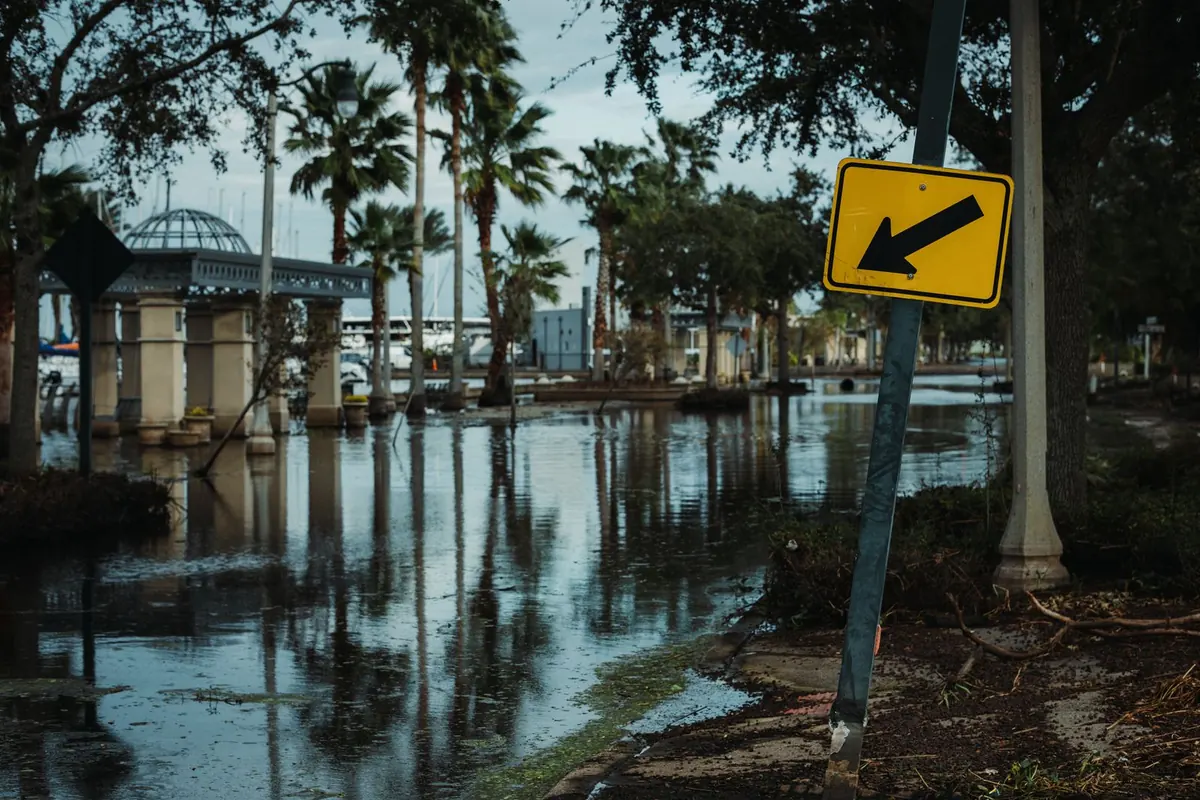
After a hurricane or a heavy tropical rain, Miami homes take on water in different ways: wind-driven rain through windows and soffits, roof damage, or rising water on low streets and along canals. With flood water, we remove drywall, insulation and baseboard to well above the water line, clean and disinfect the framing and block, and dry the structure before anything is closed up. Homes that sat closed and without power for days after a storm often need mold remediation as well as drying, and we quote the two together so nothing is done twice.
Water from the unit above
In condo buildings the leak often starts somewhere you don't control: a washer hose, a water heater or a balcony drain in the unit above, or a riser in the wall. Responsibility between owner, neighbor and association depends on where the leak started and the building's declaration. We document the source and the damage in your unit so the right insurer gets the claim, and we coordinate access through the property manager.
Why dry block walls carefully
Concrete block holds water and gives it up slowly. A wall can feel dry on the drywall side while the block behind it is still wet, and drywall hung back too early will grow mold from the back. That is why we measure the block and the furring strips as well as the board, and don't sign off a room on surface readings alone.
Typical prices
| Job | Estimate | What it covers |
|---|---|---|
| Small clean-water leak, caught early | $150–$500 | Little absorbed; mostly extraction and a short dry-out |
| Room-scale drying | $1,500–$5,000 | Wet drywall and flooring, several days of equipment |
| Structural drying by area | $4–$12 per sq ft | Comparison figure; most jobs are quoted whole |
| Drying equipment | $35–$105 per unit per day | Air movers and dehumidifiers |
| Flood tear-out and drying, whole home | $15,000–$100,000 | Storm surge or rising water; porous materials removed |
Estimated ranges only. Drying is billed mostly by equipment days and the area affected, which nobody can know before the moisture is mapped. Your written figure follows the first visit; the Miami cost page has the rest.
Related services
Questions
How long does it take to dry a room?
Usually three to five days with air movers and dehumidifiers running, checked with a moisture meter each day. Concrete block and terrazzo hold water longer than wood frame, so ground-floor rooms in older Miami homes can take a little longer.
Should I call my insurance company first or you?
Stop the water, then do both. Most policies expect you to take reasonable steps to prevent further damage, and starting the drying promptly is one of them. We document the loss before anything is removed so the adjuster can see it as it was.
Is flood water different from a pipe leak?
Yes. Water from a supply line is clean. Storm surge, rising flood water and sewage backups are contaminated, and soaked drywall, insulation and carpet they touch have to be removed rather than dried.
Last updated October 8, 2026